The critical minerals crisis is exposing more than geopolitical tension. It is revealing a structural mismatch between how industrial assets form and how capital is allocated.

The critical minerals crisis is not only a geopolitical story. It is a capital structure story colliding with a technology story. Recent moves toward coordinated trading blocs and price floors reflect a recognition that strategic materials cannot survive purely as short term price instruments. When foreign supply floods markets and prices collapse, development capital retreats, financing evaporates, and projects stall. The pattern repeats across graphite, rare earths, and battery inputs. This is not simply market competition. It is structural fragility exposed by cycles.
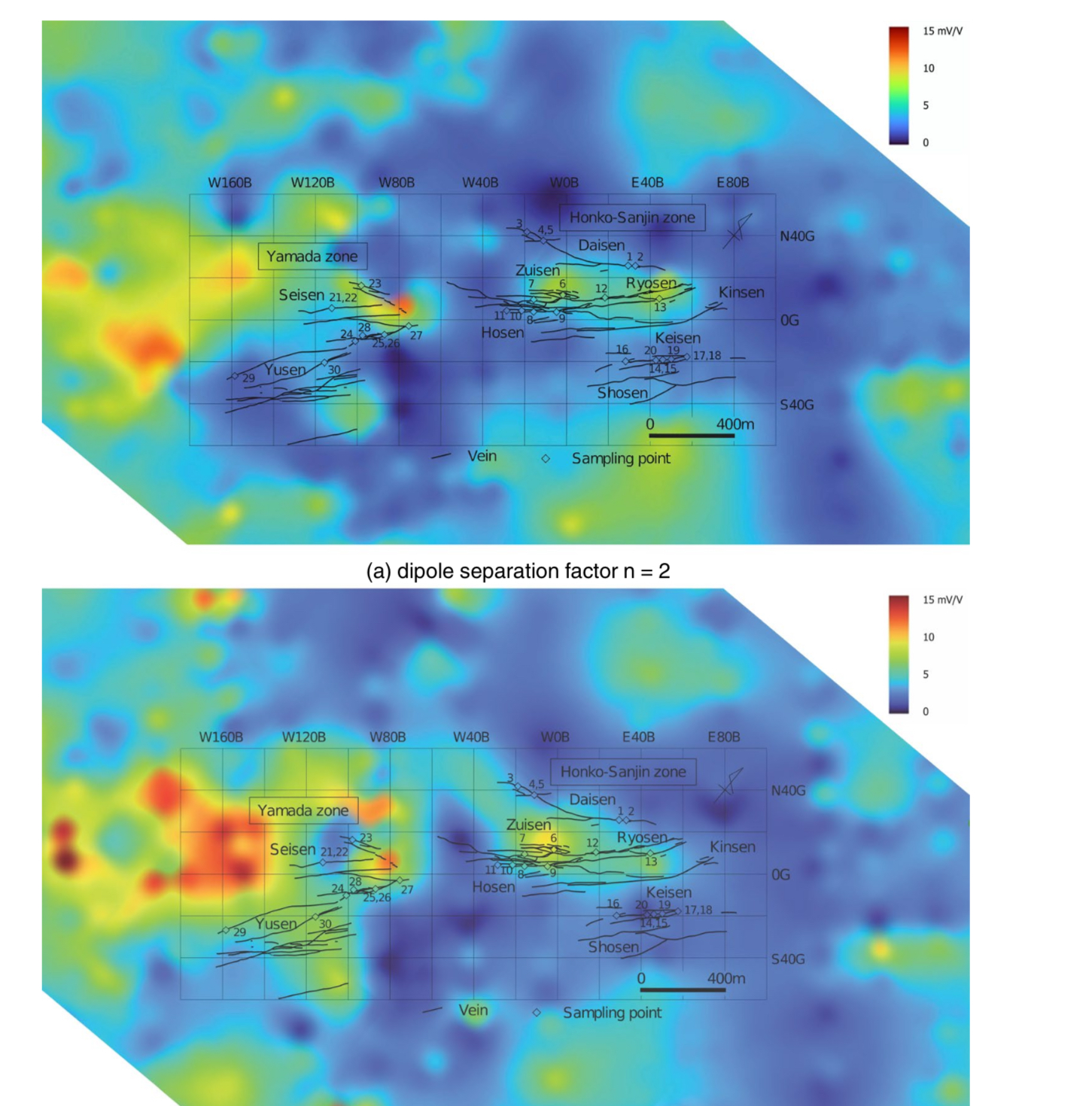
At the same time, the technical foundation of early stage assets has changed. Advances in geoscience analytics, subsurface modeling, spatial data integration, and iterative probabilistic systems have significantly tightened uncertainty bands earlier in the lifecycle. High resolution geological interpretation, layered spatial datasets, improved sampling workflows, and machine learning assisted modeling are increasing the legibility of ore bodies, resource continuity, and development sequencing before cashflow exists. In agriculture and energy systems, similar data compression is occurring through yield modeling, geospatial mapping, and predictive analytics. Assets that were once opaque for long periods are now progressively clarified through staged technical advancement.
Yet capital frameworks have not evolved at the same speed as technical capability. Institutional mandates still prefer stabilized cashflow, standardized liquidity, and portfolio level visibility. Early stage development remains difficult to underwrite because governance is forming, rights consolidation is incomplete, permitting pathways are ongoing, and revenue is not yet present. Even as probability ranges narrow through improved modeling and data integration, allocation frameworks lag. The result is a structural gap between improving technical clarity and acceptable financial exposure.
The current geopolitical response attempts to address this from the outside. Coordinated trade blocs, tariff structures, strategic reserves, and directed credit aim to stabilize pricing and defend development against predatory supply tactics. These measures seek to reduce volatility long enough for projects to mature. They reflect an understanding that industrial systems cannot be built if capital exits at the first price compression. However, policy tools operate at the macro layer. They do not inherently redesign how assets are governed, structured, capitalized, and sequenced at the micro level.
A more durable shift emerges when technology, governance discipline, and lifecycle based structuring converge. As geoscience and spatial modeling tighten uncertainty earlier, development can be advanced in defined gates. Each stage improves asset clarity, strengthens economic identity, and expands financing optionality. Structured vehicles can isolate formation risk, while separate operating and transactional activity generates real time commercial insight and revenue within industrial networks. Mature operating ownership provides balance sheet depth and long horizon alignment. The system becomes capable of advancing assets through volatility rather than reacting to it.
This convergence marks a transition. Early stage industrial assets are becoming technically more legible at the same time that geopolitical realities are forcing reconsideration of supply chain concentration. The remaining constraint is structural. Capital must be aligned with staged derisking, governance formation, and lifecycle position rather than compressed into single strategy silos. When that alignment occurs, development no longer hinges solely on spot price cycles. It advances through disciplined sequencing supported by improving information quality and integrated operating context.
The present moment is not only about defending critical minerals supply. It is about recognizing that value in industrial systems forms before cashflow, that technology now allows earlier probabilistic clarity, and that capital architecture must adapt accordingly. Where technical advancement compresses uncertainty and governance structures isolate risk, formation becomes financeable in a disciplined way. The opportunity lies in connecting these layers rather than treating them as separate conversations.


SKGP Strategic Partners
© 2026 SKGP Strategic Partners. All rights reserved. All proprietary frameworks, research, and materials are the intellectual property of SKGP Strategic Partners. Unauthorized use or distribution is prohibited.